
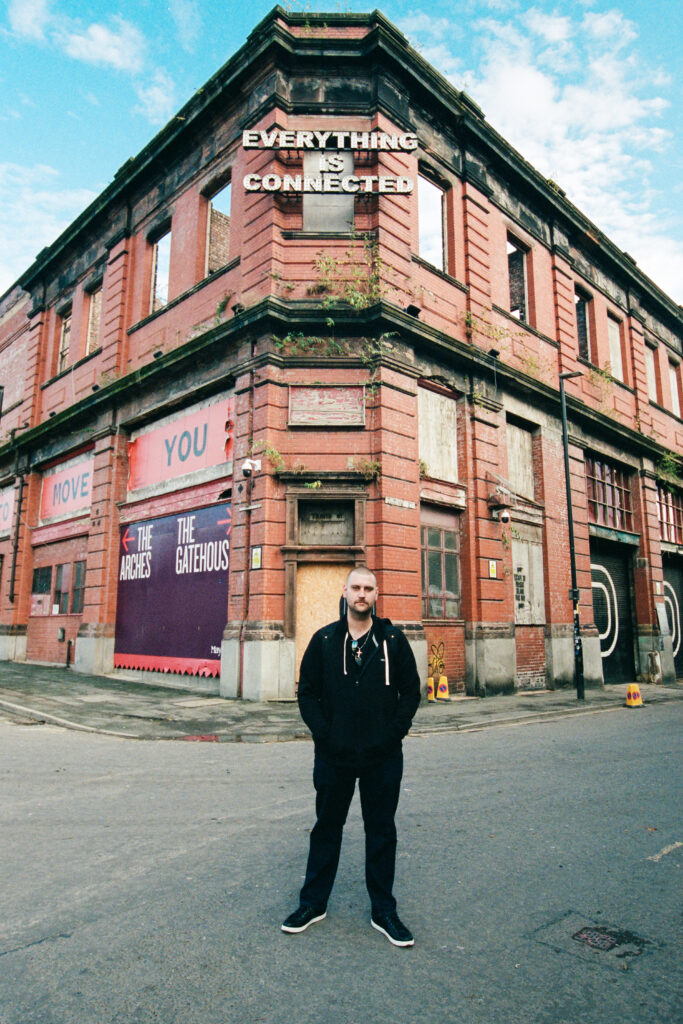
In this week’s 10 Questions we get to know Julience, an indie music artist from Manchester, England.
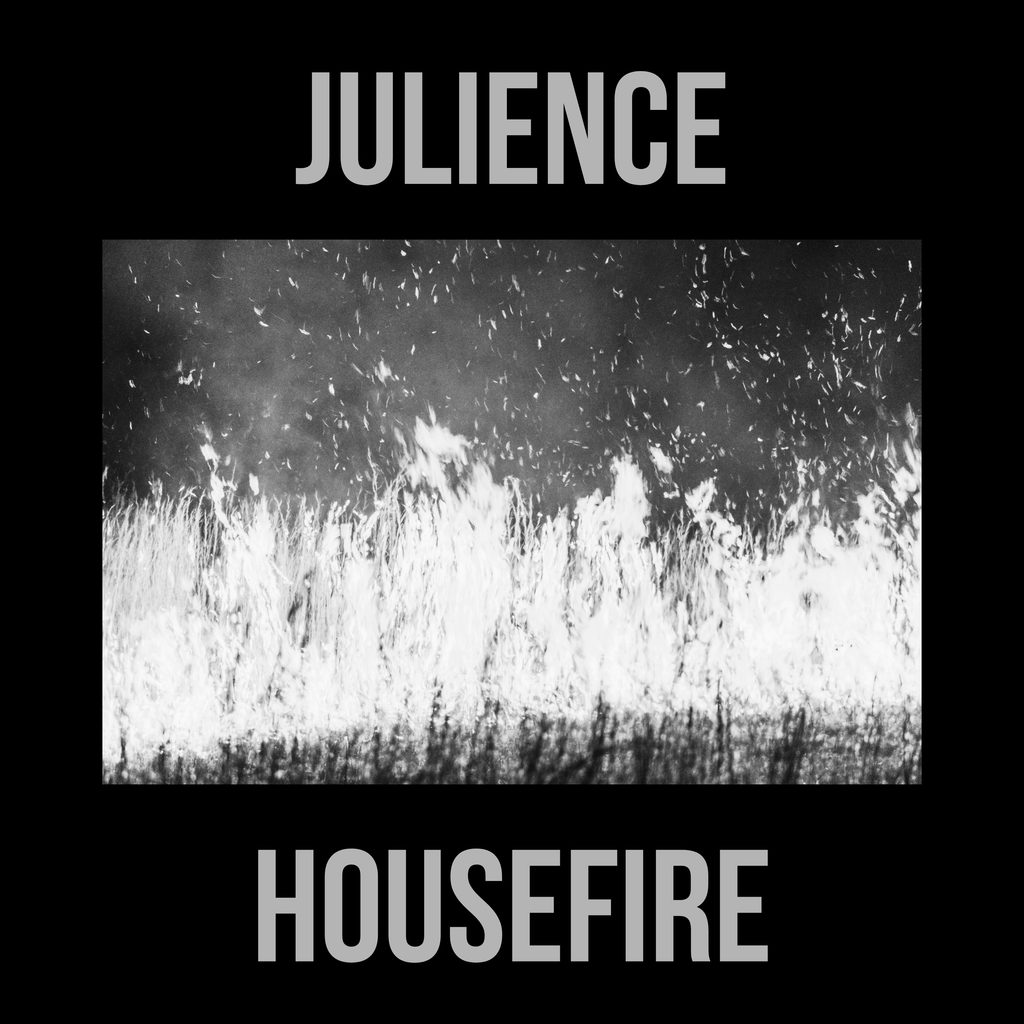
Their song ‘Housefire‘ is currently featured on the NAS Spotify playlists
You can follow Julience on Instagram and X
1. Tell us a little about where you are from.
I was born in the Netherlands and now live in Manchester, a city whose guitar bands are a big reason I picked up an instrument. Julience is a one-person project. I (Vincent) write the songs, play guitar, bass, drums and keys, and record and mix everything myself. I release singles steadily rather than saving up for an album. Housefire came out today, a loud one about a night that went sideways faster than planned. A quieter song follows in December.
2. What inspired Julience to start playing and making music?
Seeing Paul McCartney live in Antwerp when I was ten. One person held a whole room with a few chords and a melody, and I knew that was what I wanted to do. I nagged my parents for a guitar until they gave in, and soon after I joined a music school. The guitar teachers there were so enthusiastic that practising never felt like a chore.
One person held a whole room with a few chords and a melody, and I knew that was what I wanted to do.
3. Who are Julience’s biggest musical influences?
Neil Young, Lynyrd Skynyrd, Oasis, Tom Petty, and plenty more. What they share is songs that hold up on one guitar but still hit hard with the full band behind them. I’d call what I make indie rock: melodic, riff-led, a bit raw, with an acoustic side that comes out in the quieter songs. Living in Manchester, the city’s guitar history works its way in too.
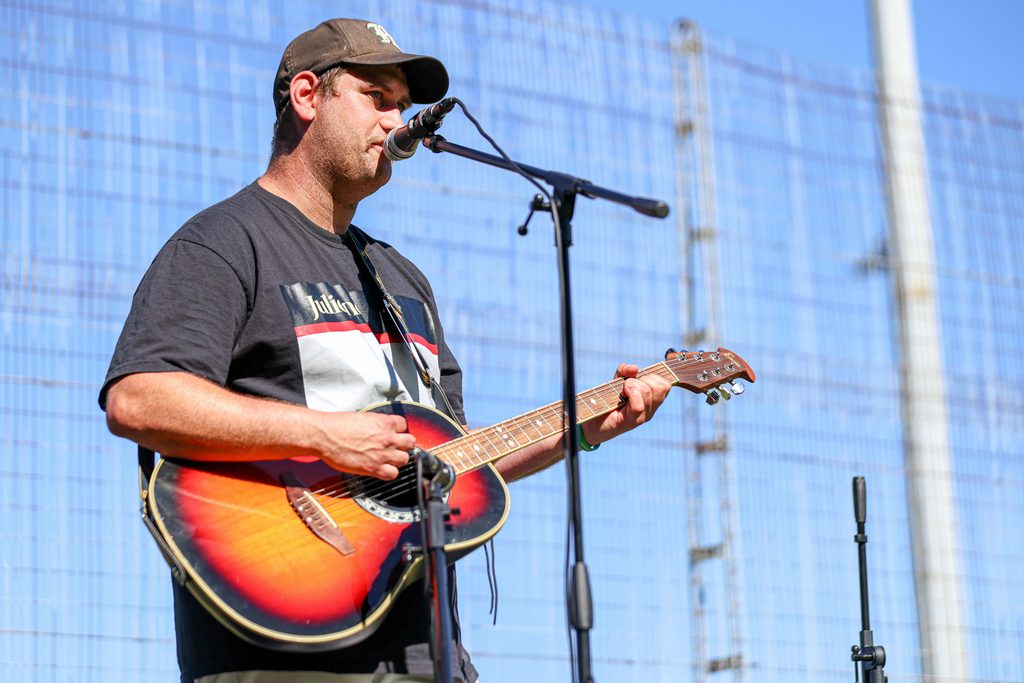
4. What are your goals in the music industry or as an artist?
I want to keep releasing regularly and keep it sustainable: no label, no big budget, just a steady flow of songs I stand behind. I’d rather have a smaller group of listeners who keep coming back than a big number that disappears. Long term, I want a catalogue that holds together, in which every song feels like it belongs.
5. Tell us about your creative process.
Usually a riff or a line comes first, often on acoustic guitar. If it still sticks the next day, I build it out: drums, then bass, then the rest of the guitars and keys. Lyrics take the longest because I rewrite a lot. I record at home. Doing it all myself means nobody else’s taste gets in the way. It also means nobody tells me when to stop.
6. What is your all-time favorite song by another artist and why?
This one is tough. “Free Bird” by Lynyrd Skynyrd. It starts as a slow, reflective ballad about a man who can’t settle down, with Billy Powell’s piano introduction and Gary Rossington’s expressive slide guitar. Then it takes off into a full-scale rock jam. That outro still sticks with me: Allen Collins takes the lead, with Rossington adding his distinctive guitar work, building into one of rock’s most memorable finales. It never sounds like showing off. Every guitar part has somewhere to go.
Allen Collins takes the lead, with Rossington adding his distinctive guitar work, building into one of rock’s most memorable finales.
7. What is the best advice you have either given or received in terms of music?
Finish things. An imperfect song you’ve released teaches you more than a perfect one stuck at 80%. Every release shows me something I’d do differently, and I only find that out by letting it go.
8. What is your proudest accomplishment?
Releasing my first songs in 2022. Before that there was a long stretch where I wasn’t making music at all, and settling in the UK was harder than I expected. Getting from there to finished, released songs that I’d written, played and recorded myself took more than it might look like from the outside. Everything since then, the album and the singles, grew out of that first step. I’m prouder of that first step than of any number.
Getting from there to finished, released songs that I’d written, played and recorded myself took more than it might look like from the outside.
9. What’s been your most embarrassing moment so far?
Honestly, there are too many to pick just one, and most of them are better kept under the lid. That goes for my private life too: there are a few stories my friends still bring up at every chance, and I’ve paid good money in pints to keep them out of interviews.
On the music side, anyone who records everything alone has a hard drive full of takes nobody should ever hear: wrong chords played with full confidence, vocals that missed by a mile, and the odd mistake that actually sounded better than what I had in mind. The upside of being a one-man band is that there’s no bandmate around to film it.
10. Tell us about your lowest and highest points in music so far.
Highest: hearing that strangers around the world are listening to songs that started in my little home studio. I also love slipping the odd biblical reference into my lyrics, a quiet layer for anyone who digs deeper. And the NAS community, a network of independent artists, has been brilliant; it’s great to connect with others doing the same thing. Lowest: the quiet periods. Music competes with work and everyday life, and when something I’ve put my heart into barely gets noticed, I wonder if it’s worth it. But I always come back to writing and recording.


Leave a Reply