
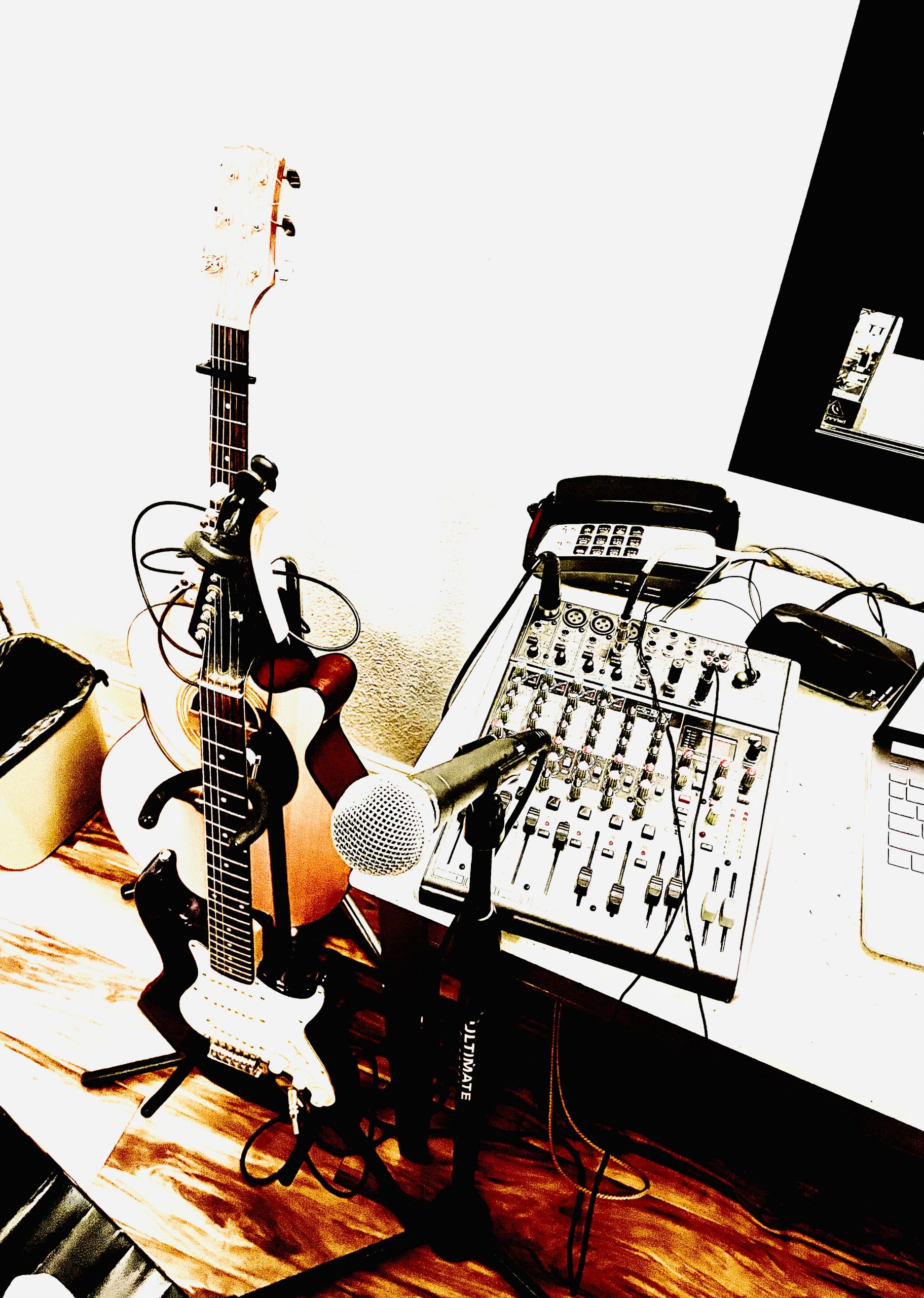
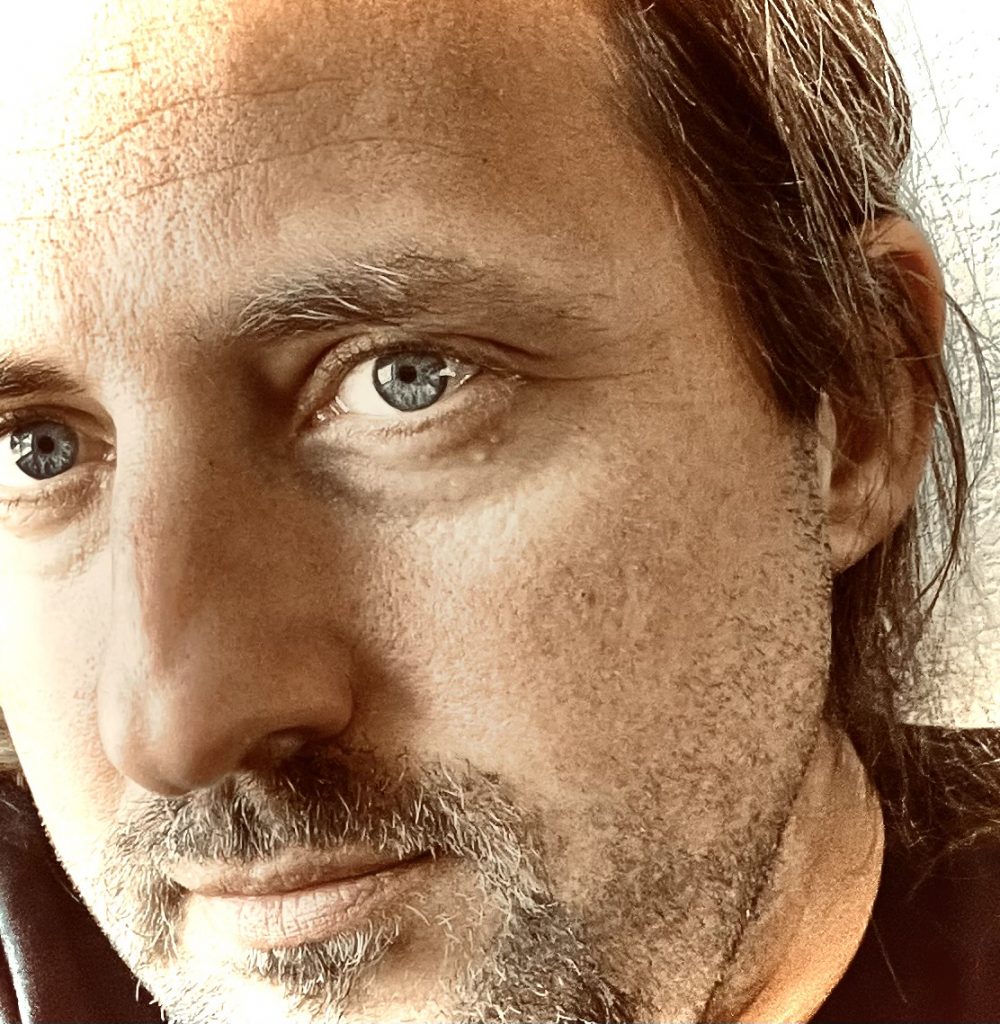
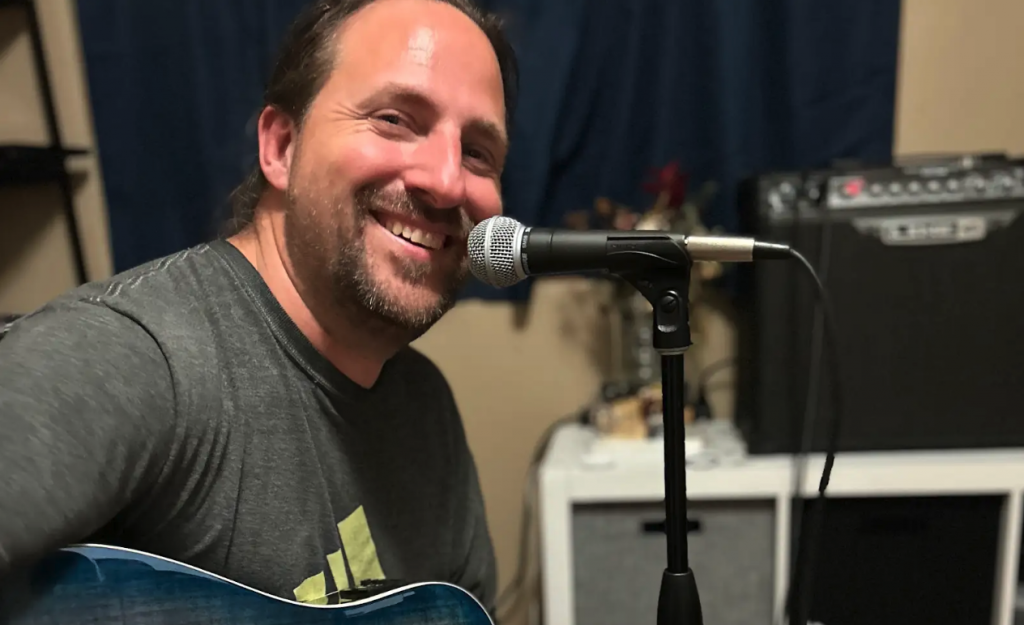
In this week’s 10 Questions we get to know Jake Sommer, an indie artist from the Sacramento, California, USA area.
Their song ‘Anthem‘ is currently featured on the NAS Spotify playlists
You can follow Jake Sommer on Instagram, Threads and WordPress
1. Tell us a little about where you are from.
I’m from the Sacramento area, where I was raised with a strong ‘pull yourself up by the bootstraps’ mindset. I’ve spent a lot of time working in high-pressure, crisis environments, and the effect those experiences had on me was a deeper awareness of how fragile and meaningful life really is. That perspective shaped me. Now, as a full-time musician, I try to translate the impressions that all made on me into my work, developing what I call ‘journey rock’—music meant to take listeners through an emotional experience within a larger theme.
2. What inspired Jake Sommer to start playing and making music?
What got me into music was the effect certain songs had on me growing up. Tracks like Red Hill Mining Town by U2, along with artists like INXS, Depeche Mode, and The Cars—and even composers like Richard Wagner and George Gershwin—took me on emotional journeys I was too young and too broke to experience in real life. That idea stuck with me.
It started with piano—after early lessons something evolved into late nights, just me working things out on my own—then grew into bass, guitar, drums, and eventually singing. Music became the way I could explore and express those same kinds of journeys for myself and hopefully for others.”
It started with piano—after early lessons something evolved into late nights, just me working things out on my own—then grew into bass, guitar, drums, and eventually singing.
3. Who are Jake Sommer’s biggest musical influences?
I really miss the anthem-driven rock of the ’70s through the ’90s. When bands started to fade, I think we lost some of that shared, immersive experience that a full band can sometimes so powerfully create. I played in about seven bands myself, and that helped refine me as a musician and performer.
Eventually though, I realized I had songs I needed to get out—whether they were well received or not. They’re rooted the everyday but never discussed generic but specific human experiences and real-life struggles we all face. When I looked for where that fit, I couldn’t find a single genre that captured it, and I didn’t want to limit it to one.
My music moves between singer-songwriter, folk, rock, and indie/alternative, but the constant is the journey. Each song is meant to build, evolve, and take you somewhere emotionally. That’s what I call ‘journey rock’—music that unfolds like a story, almost like films such as The Truman Show or Rental Family, where you end up somewhere you didn’t expect when it began.
4. What are your goals in the music industry or as an artist?
My goal is to share something authentic. Life is fleeting, and I learned early on that a lot of what passes between people isn’t said in words. Music does that better than anything.
I’ve been deeply moved by things like guitar tones, vocal textures, the sustain of a note, the shimmer of a chord, or a simple piano line. What I’m trying to do now is give something back—to translate what those moments meant to me and record that along the way.
5. Tell us about your creative process.
My creative process can vary, but a lot of the time it comes all at once. Ideas tend to form when I’m waking up, walking, or just connecting to something—then there’s usually a sense of urgency to capture it.
From there, I go into what I’d call a recording trance. I’ll often start with piano or bass and build a drum cadence, then layer in the technical elements, vocals, and finish with mixing. It’s a balance between instinct in the moment and shaping it into something complete. When its out of my head it’s finally done. That’s when I know I can move on.
6. What is your all-time favorite song by another artist and why?
My favorite songs are probably Running to Stand Still by U2 and Where I Belong by Switchfoot. There’s something in both of them that really resonates with me. With Running to Stand Still, it’s the way it captures generational struggle—the weight of hard labor and how it carries forward, along with the fading of a community. It’s epic, but also deeply human—sad, but still hopeful. And Bono’s vocal delivery feels incredibly raw and pure. Switchfoot, on the other hand, has this ability to express displacement and spiritual tension in a really honest way. When they let their guard down, it hits hard. Even Jon Foreman’s side project Fiction Family captures that feeling in songs like Godbadge. That kind of emotional honesty is something I really connect with and try to carry into my own music.
7. What is the best advice you have either given or received in terms of music?
I think it’s narrow-minded to ignore criticism, so I try to stay open to it, as much of it as can be offered. At the same time, you have to stay grounded in your own voice. There’s a line from Art Isn’t Easy by Stephen Sondheim that really sticks with me—it’s a reminder that honesty in art takes work…”every minor detail seems to be a major decision”.
For me all art is a major detail, if I don’t believe what I’m creating—if it doesn’t move me—then I can’t expect it to move anyone else. Some of my best songs took multiple takes, vocally, until I could get through them without breaking Ito tears or joy. I don’t see that as a flaw—I think that puts potential energy into the sound for those who have the kinetics to unleash it.
For me all art is a major detail, if I don’t believe what I’m creating—if it doesn’t move me—then I can’t expect it to move anyone else.
8. What is your proudest accomplishment?
When you have people in villages without anything in life streaming “What I’ve Learned About Life,” or “Anthem” or “Portwine,” how can you not feel connected to your brothers/sisters somewhere around the world. It may not always be in big numbers, but it can be big between the small numbers in mattering.
9. What’s been your most embarrassing moment so far?
I once messed up an introduction in poor translation and asked someone to marry me. When she laughed and her husband looked astonished I quickly figured out what I had said and wanted to crawl under Kilimanjaro.
10. Tell us about your lowest and highest points in music so far.
It’s never fun during those live concerts when you’re heckled for a different genre or maybe worse ignored. But maybe the high was once I was playing Freeboard at night just for the hey of it. A man came up and bawled for an hour in the dark next to me. We never said a verbal word, just a conversation in pain written by someone dead. Now that’s what it is all about.


Leave a Reply