
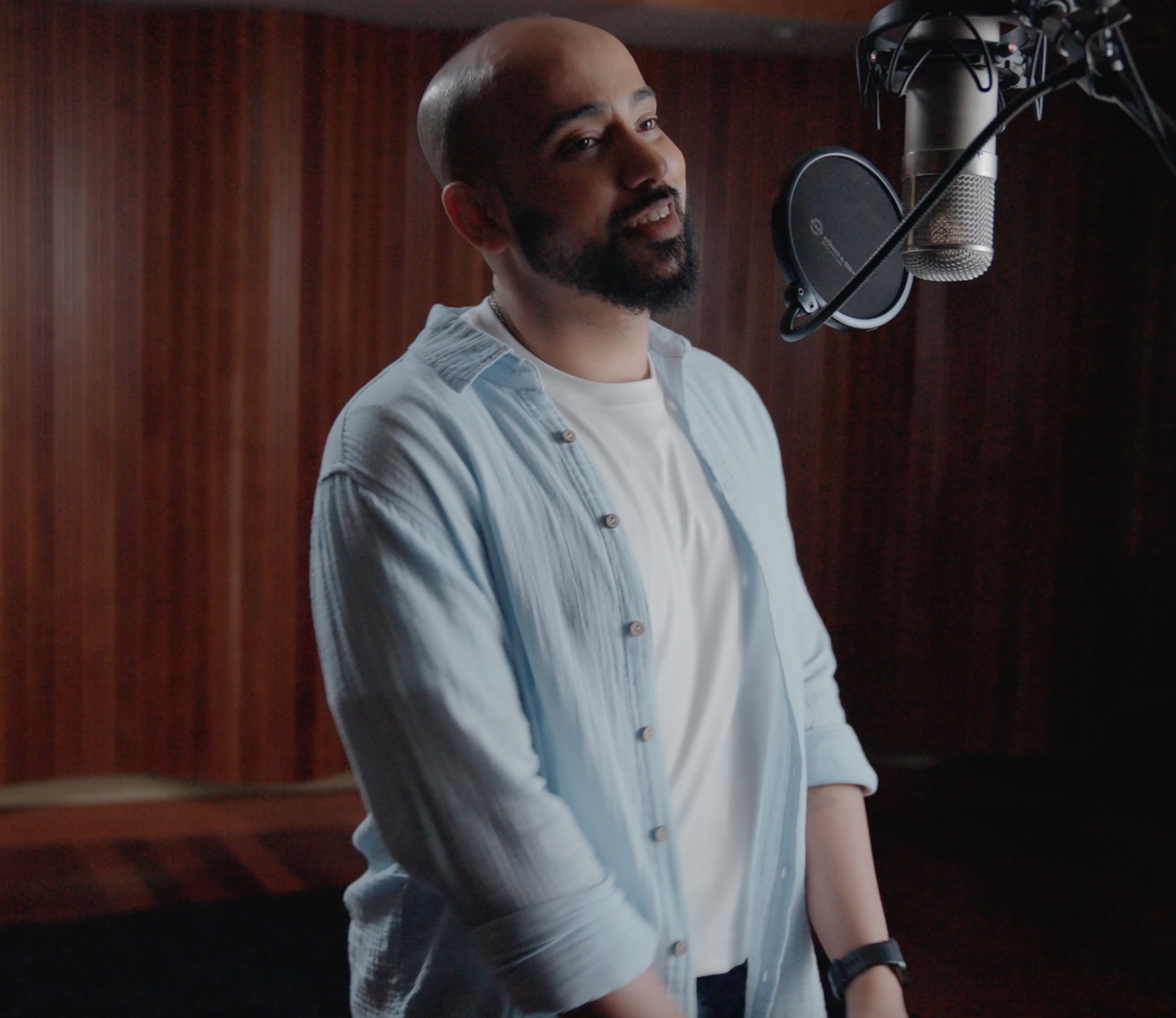
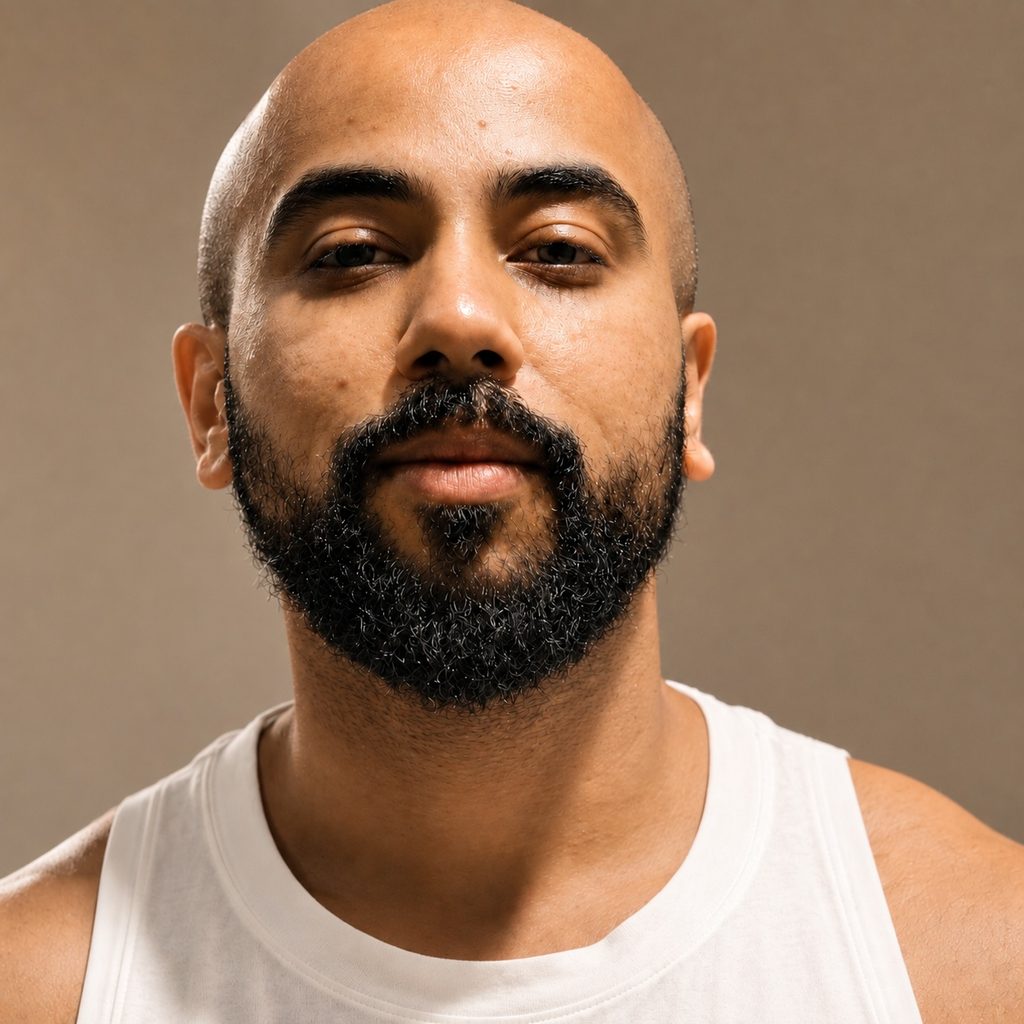
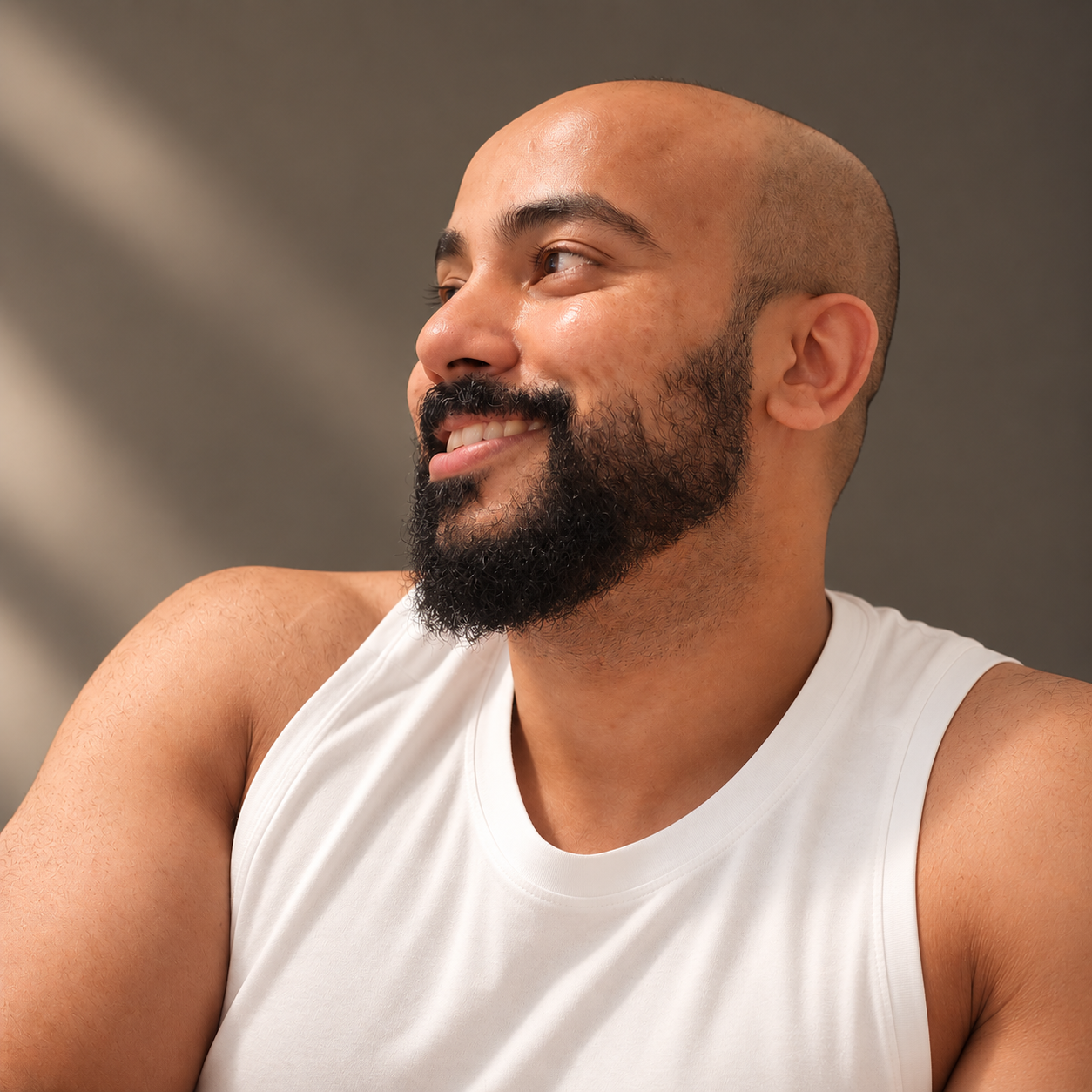
In this week’s 10 Questions we get to know Karan Patade, an indie singer-songwriter from India and currently based in the UAE.
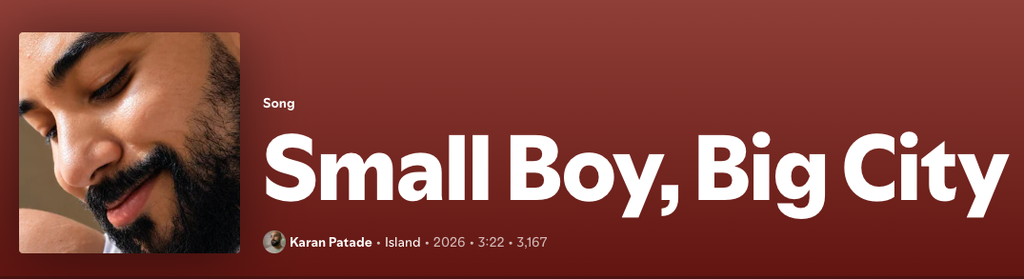
Their song ‘Small Boy, Big City‘ is currently featured on the NAS Spotify playlists
You can follow Karan Patade on Instagram
1. Tell us a little about where you are from.
I’m originally from India and currently based in the UAE. By day, I work in learning and development, and outside of that I’m an independent singer-songwriter. I’ve been releasing music for the past six years, and most recently released my album Island, which is probably the most personal and representative body of work I’ve made so far.
2. What inspired Karan Patade to start playing and making music?
Music has always been the way I naturally express myself. I was quite introverted growing up, so I spent a lot of time writing, singing and creating things on my own. Eventually, songwriting became a way of turning thoughts and experiences I didn’t always know how to talk about into something tangible. What started very privately gradually became something I wanted to share with other people.
Eventually, songwriting became a way of turning thoughts and experiences I didn’t always know how to talk about into something tangible.
3. Who are Karan Patade’s biggest musical influences?
I’ve been influenced by artists like Mario, Jay Sean, Dido and Victoria Monét — artists who bring strong melodies and emotion into contemporary production. My own music sits somewhere between pop and R&B, with elements of dance and electronic music depending on the song. I’m very melody-driven, but lyrics and storytelling are equally important to me.
4. What are your goals in the music industry or as an artist?
My main goal is to keep building an audience that genuinely connects with the music. I want to keep evolving sonically, collaborate with more artists and producers, perform more, and take the music into spaces and countries it hasn’t reached yet. Ultimately, I’d like to build a sustainable career where I can continue making music that feels personal and authentic without having to chase a particular formula.
5. Tell us about your creative process.
It changes from song to song, but typically I start with the hook. Sometimes a melody, a sound or a hook will just come to me, and I’ll immediately record it as a voice note so I don’t lose it. I like going back to those ideas later, once I know what I want the song to be about, and then I start constructing the rest of the song around them. From there, it becomes a process of developing the melody, lyrics and overall sound until the song starts to take its own shape.
6. What is your all-time favorite song by another artist and why?
It’s difficult for me to pick just one song, but I really love Norah Jones’ music. Even though I don’t sing jazz, I really appreciate her style. There’s something about her music that feels both throwback and modern at the same time, and I love how effortless and timeless it sounds. I’m also a huge admirer of her songwriting — the way she can say so much without overcomplicating it is something I really aspire to in my own writing.
It’s difficult for me to pick just one song, but I really love Norah Jones’ music.
7. What is the best advice you have either given or received in terms of music?
Finish the song. It’s very easy to keep second-guessing yourself, comparing your work to other artists or waiting until something feels perfect. I’ve learned much more from actually finishing and releasing music than I ever would have from endlessly trying to perfect one song. Every release teaches you something and takes you closer to the artist you want to become.
8. What is your proudest accomplishment?
A really proud moment for me was very recent — releasing my third album, ISLAND. Looking back at it now, I feel incredibly accomplished that I was able to create another complete body of work and tell another story through music. More than anything, I feel grateful that I’m still able to do what I love simply because I have something I want to express. I don’t feel the need to chase trends or make music based on what I think people expect from me, and there’s something very freeing about that. Being able to create from that place is probably what I’m most proud of.
More than anything, I feel grateful that I’m still able to do what I love simply because I have something I want to express.
9. What’s been your most embarrassing moment so far?
One of the first times I performed on stage, I was so nervous that the second I finished the song, I pretty much ran off stage immediately. There was no dramatic pause, no soaking in the moment — I just wanted to get off that stage as fast as possible. Looking back, it’s quite funny now.
10. Tell us about your lowest and highest points in music so far.
I wouldn’t necessarily describe them as a lowest and highest point, but the most difficult part for me is usually the period when I’m actually creating the music. That’s when I put the most pressure on myself to perfect the songs, the sound and all the little details, and it can become quite overwhelming.
The most elating part is when the work is finally finished and released. Once it’s out, I don’t carry that same pressure anymore. I know I did the best I could, I stand by the work, and there’s something incredibly freeing about letting it go. You put it out into the world, and from that point on, you just get to watch it bloom.
Leave a Reply