New Artist Spotlight

  • Why I Love This NAS Song: “I Walk Alone” by Wanaka from the album Kingdom of Lizards

    Why I Love This NAS Song: “I Walk Alone” by Wanaka from the album Kingdom of Lizards

    Wanaka’s artist page is HERE

    When I first saw “I Walk Alone,” I pictured a brooding indie rocker—gritty guitars, songs about urban isolation, defiant shouts. I was completely off base, and what a beautiful surprise that turned out to be.

    It opens with gentle acoustic strums, like footsteps on a misty forest path, pulling you into introspection. Delicate folk melodies weave around a voice of quiet determination—mature and understated, as if Wanaka were whispering secrets to the stars alone. A soft rhythm builds like desert rain, adding depth without excess: pure indie-folk elegance set against polished pop.

    “I Walk Alone” shines through its theme of self-reliance and release. It guides the listener through solitary paths in life, urging you to embrace the solo journey: “I walk alone / This so-called desert is no home / The rain is finally here.” Lines like “Stars above reading through me like an open book” capture a sense of peace in solitude—carrying scars, letting old flames turn to ashes, and paving your own road.

    Wanaka blends haunting beauty with empowering storytelling, turning melancholy into strength. This NAS gem proves that the strongest journeys are often solo—full of growth and unbreakable spirit.

    This review was submitted by fellow NAS artist: musik.poet

    Their artist page can be found HERE

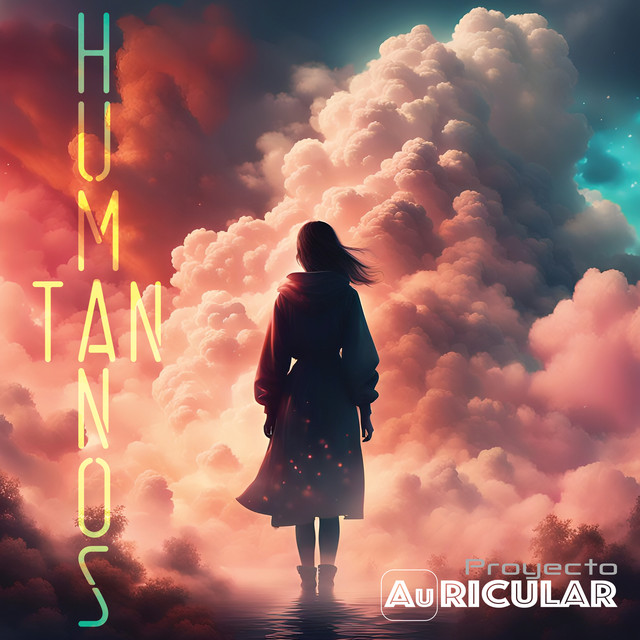
  • Why I Love This NAS Song: “Tan Humanos” by Proyecto AuRICULAR

    Why I Love This NAS Song: “Tan Humanos” by Proyecto AuRICULAR

    Proyecto AuRICULAR’s artist page is HERE

    “Tan Humanos” by Proyecto AuRICULAR: A Song for Being

    It is a cold afternoon in Mexico City, a good moment to drink a coffee, take a break, and listen to music. The chosen coffee bean is from Oaxaca; the music is jazz fusion; the grind is medium, because the coffee will be an Americano; and my Moka Express coffee maker has a faulty gasket. Let’s listen.

    But what is this: jazz fusion, Americano coffee, Oaxacan beans, an Italian coffee maker?

    Yes, that is Mexico: a cosmopolitan city where one lives, listens, feels, and breathes a mix of many cultures. A place where music is part of everyday life; it accompanies you on public transportation, in shops and markets, and in domestic routines. And no, Mexico does not look sepia; sometimes there is pollution, but the levels never turn the city that color. From this very city comes the artist featured in this review.

    The coffee is ready—sip, and let the music play.

    A sweet sound from a Rhodes piano breaks the silence. Soft and delicate, like coffee steam in the air, with its characteristic stereo tremolo. The harmonies grow more complex, and each new chord is a surprise that refreshes the ear and carries the music forward.

    Twenty seconds in, the right moment arrives for the entrance of drums, bass, and voice—but this is no ordinary voice. A soft, airy voice, perfectly placed in a middle register, as if emerging from the piano’s overtones: it is the voice of Pam Suárez, who opens the lyrics with the line:

    “Es el aire

    Es el aire el viento

    Respirar”

    The vocal EQ in the mix keeps the words clearly defined, and the subtle echo gives them an ethereal sense of fragility. An electric guitar in the background follows the voice without taking center stage, guiding the music toward the pre-chorus, intelligently brightened by a triangle.

    “Sueño entre mis sueños

    La piel de tu espacio

    Exhalar en esta luz

    Sin descanso”

    The chorus arrives, and it is time for the voice to shine in a higher register. The drums remain simple, never shouting; the triangle fades out; a discreet pad with its own personality enters; and a guitar—yes, I think it is a guitar—softened with reverb, counterpoints the voice.

    “En el aire

    Donde todo sigue

    Donde eres tú

    Donde siempre vives”

    Let’s talk about the lyrics, because this is no ordinary set of words. It is a song by Carlos Castañeda—wait, not the Carlos Castañeda you are thinking of, although there is something of that other one here, not in the shamanic imagery, but in a deeper way of conceiving experience. The lyrics do not aim to explain or narrate; they create a space to inhabit and breathe, to be with the air, as if consciousness were seeking its place in the body before the mind.

    The way the lyrics are arranged on the page recalls the fragmentary writing found in Octavio Paz’s poetry, leaving room “on the paper,” and in time itself, for breathing and reflection.

    And who is the author? Carlos Francisco Castañeda Girón (bass, guitar, and programming), who, together with Pam Suárez, forms Proyecto AuRICULAR. Yes, I wrote it correctly. I suppose “Au” refers to gold, since it appears as a separate syllable in the design of their profile image—or perhaps I am just imagining things.

    After the chorus comes… you know it doesn’t.

    Although I could talk about the timbral beauty of the piano chords shaped by Olawepo Tayo, the elegance of the guitar, the balance of the mix, and the softness of the voice, it is impossible for you to feel it simply by reading these lines. From here on, you have to go listen to it and experience it for yourself.

    I know, I know—you were left wanting to read more; that will be for next time.

    For now, I can only conclude that “Tan Humanos,” by Proyecto AuRICULAR, is a song in which every sonic element manages to turn listening into a space simply to be, to breathe, and to be that which makes us only human.

    The cup is empty. I’m Adán Ramírez. Greetings from the Great Tenochtitlán.

    This review was submitted by fellow NAS artist: Adán Ramírez

    Their artist page can be found HERE

  • Why I Love This NAS Song: “988” by Jacob Merrithew

    Why I Love This NAS Song: “988” by Jacob Merrithew

    Jacob Merrithew’s artist page is HERE

    Jacob Merrithew’s song “988” is a truly remarkable and intimate track, standing out in today’s music landscape, which is often dominated by autotuned vocals and overly polished productions. The sheer rawness of his performance immediately captured my attention. It felt incredibly honest, as though Jacob were pouring his heart and soul directly into the microphone. This authenticity is a breath of fresh air, creating a connection that polished, faultless recordings sometimes lack.

    The message embedded within “988” carries significant weight, with a depth that resonates long after the final note fades. I deliberately won’t delve into the specifics of that message, as I believe it is something each listener should experience and interpret for themselves. The power of the song lies in its ability to evoke personal reflection and understanding.

    What initially struck me was the song’s opening. It began with what I perceived as a tranquil, lo-fi piano piece, setting a serene and slightly melancholic atmosphere. This gentle introduction slowly builds, hinting at the emotional journey that lies ahead. It is a testament to Merrithew’s artistry that he can draw you in with such subtlety, preparing the listener for the profound narrative that unfolds.

    “988” is not just a song; it is an experience—a poignant reminder of the beauty found in unvarnished expression and genuine emotion. It is a track that demands your full attention and rewards it with a truly moving auditory journey.

    This review was submitted by fellow NAS artist: Emerson B. Ocampo

    Their artist page can be found HERE

  • Why I Love This NAS Song:  “Come The End” by Charles Connolly from the album Hands Up

    Why I Love This NAS Song: “Come The End” by Charles Connolly from the album Hands Up

    Charles Connelly’s artist page is HERE

    My usual standard to gauge if a song is good is what I call “the Street Hummability Factor”; in other words: how often do I find myself humming a song while I’m walking down the street.

    When talking about NAS songs, there are quite a few songs that meet this criteria: mentioning them one by one would make this review unnecesarily long. But there is one that has been UNDOUBTEDLY the most Street-Hummable song on NAS.

    Charles Connolly’s “Come The End”

    The virtues of the song speak for themselves. There’s no need of me mentioning the brilliant arranging, the great mix or the beautiful sonic palette; it would be much easier for me to just dwelve into the technical side of things, but this would bore most readers who aren’t audio-oriented.

    I wanna focus on two things really, and the main reasons why I love this song. The first one being Charles’ vocals and how they mutate along the piece. For those of us who are really familiar with his catalog, Charles hangs in the “light tenor” range for most of his song. But this song hits differenty: “CTE” is sung with a solemn feel to it. While not exceptionally low for him, he goes low enough for the lyrics to hit deep (no pun intended). And when the drums come in, the solemnity is replaced with sheer determination. But still retaining that “X factor” that makes his vocals so appealing to me.

    The second motive are the lyrics, and how they strongly resonate with me. The fear of insignificance.

    I was once asked by my sister, as part of a public exercise, along with 50 other people, to write down our greatest fears on a piece of paper and then put it in a box. After a long time and serious consideration, I added my own piece of paper to the box.

    OBLIVION.

    Being forgotten. Not being remembered. Not making enough of a mark on the world, or on the people closest to me. Having my name fade away shortly after death. It’s not a fear of dying; it’s perhaps… a fear of dying in vain.

    Come the end, I just wanna feel your pride

    More than I do at this present time

    Come the end, I just wanna make you proud

    You’re allowed to shed a tear now

    At its core, “Come The End” is a heartfelt self-examination about life, death, and how we are remembered. It is not just about the fear of death, but more about wanting to live in a way that brings pride, meaning, and connection with others.

    There are two songs on NAS that I love but did not write myself. One of them is JHM’s “Into The Wilderness.” “Come The End” is the other. And when you combine a brilliant song with great vocals, strong arrangements, and a beautiful overall presentation, you get a truly street-hummable tune.

    And that is why I love this song.

    This review was submitted by fellow NAS artist: Andres Guazzelli

    Their artist page can be found HERE

  • Why I Love This NAS Song:  “Remedy” by Coumarin

    Why I Love This NAS Song: “Remedy” by Coumarin

    Coumarin’s artist’s page is HERE

    One of my favourite discoveries on the NAS playlists is a spacey indie rock song called Remedy, one of many singles from Stuttgart, Germany–based artist Coumarin. I was immediately drawn in by the swirling synths, atmospheric guitar, and the catchy chorus melody. What I really love is how quietly the song begins. When you first put it on, you barely hear anything at all. It starts with a droning guitar, and then suddenly the drums, instruments, and vocals all arrive together. What follows are evocative lines that perfectly paint the picture of a relationship that has fallen apart, yet one where the speaker still carries deep feelings for the other person.

    I’m digging out my heart today

    Hanging in the burning rain

    Look at what our love became

    Swirling synths and propulsive drums keep everything moving steadily toward the chorus, where you might expect some kind of explosion. Instead, the instruments drop out, leaving us with utterly devastating, emotional lyrics:

    Even through fire and hail

    You erased all the pain in me, baby

    Through every hurricane

    All the rain ricocheted

    You used to be my remedy

    These lyrics reminded me so strongly of relationships I’ve been in—times when lingering feelings remained, when the other person once felt like everything, but no longer was. That longing for what used to be, for the good the other person brought into your life, is at the heart of this song. I’ve known many people who’ve left that kind of imprint, where letting go is incredibly difficult. That sense of devastation—of losing something that once healed you but now can’t—carries straight into the next verse.

    The song largely stays in this emotional space, with the exception of the chorus, where a few synth layers drop out and the words come sharply into focus. The vocals are never pushed, and that restraint is essential. I wouldn’t like this song nearly as much if they were. The protagonist is sad and wounded, and that’s exactly how the voice sounds. The melody doesn’t span a wide range; instead, it stays almost conversational, like someone sitting across the table quietly telling you how they feel.

    I’m a sucker for this kind of atmospheric synth pop. It reminds me of the best moments from Sir Sly’s debut album You Haunt Me, mixed with touches of Nested for Rest, and a little Depeche Mode for good measure. If this is your kind of music, you’ll love this song. And once it really sinks in what it’s about, you may find yourself reeling—emotionally undone, reminded of relationships much like the one being described here. I know I was.

    This review was submitted by fellow NAS artist: Lavender Fire

    Their artist page can be found HERE
  • We I Love This NAS Song: “Reflejos lejanos” by Soledad Sonora

    We I Love This NAS Song: “Reflejos lejanos” by Soledad Sonora

    Soledad Sonora’s artist page is HERE

    Reflejos lejanos avanza sin prisa. Desde el primer momento, la propuesta de Soledad Sonora deja claro que no busca imponerse, sino acompañar. Es una canción pausada y minimalista, construida desde la sensibilidad, donde cada sonido parece ocupar exactamente el espacio que necesita, sin excesos ni adornos innecesarios. Esa economía sonora es, justamente, una de sus mayores virtudes.

    La producción es discreta y cuidadosa, y genera un entorno que invita a bajar la velocidad y a mirar hacia adentro. Dentro de esa quietud aparecen breves contratiempos; estos matices funcionan como pensamientos que irrumpen durante una divagación mental: breves, inesperados y fugaces.

    Reflejos lejanos no es una canción pensada para el ruido del día. Su verdadero lugar aparece cuando cae la noche, cuando el entorno se aquieta y la escucha se vuelve más íntima. Es una pieza ideal para ese momento en que el día se apaga.

    La letra acompaña este clima con un lenguaje simple y directo. No busca grandes declaraciones, sino que va entrelazando paisajes, acciones y pensamientos abiertos para que cada oyente proyecte sus propias vivencias: el eco de la memoria, los propios “reflejos lejanos”.

    This review was submitted by fellow NAS artist Senti-Ente

    Their Spotify Artist page can be found HERE

  • Why I Love This NAS Song: “Inner City” from the album Videoman by Alan Elettronico

    Why I Love This NAS Song: “Inner City” from the album Videoman by Alan Elettronico

    Alan Elettronico‘s artist page is HERE

    If I’m in my car driving home late from a gig or hanging out with friends, there’s always one kind of music I put on to keep me awake and alert:

    Electronic music.

    There’s just something about driving late at night that calls for synth-heavy music in the background. Maybe it’s because it reminds me of the best parts of Drive, a severely underrated movie starring Ryan Gosling from the early 2010s. Or maybe it takes me back to those long scenes of Crockett and Tubbs driving to an enemy’s hideout or their next stakeout in Miami Vice. If I’m driving late at night, I want synth-heavy music to soundtrack the journey.

    And that’s exactly what this song does. Inner City by Italian artist Alan Elettronico scratches that itch for pounding bass and swirling synths that keep me awake and focused. It’s even better if I happen to be driving through a downtown area on my way home while this track is playing.

    There are no lyrics in this song—but it doesn’t need them. When you’ve got pounding synths and melodies weaving in and out, words would feel unnecessary. This track is pure atmosphere. Even when I’m listening to it while doing chores, I feel like I’m driving through a city at midnight, surrounded by cars and headlights coming at me from all sides, trying to stay awake long enough to make it home.

    And I only wish it were longer. Every time the song fades out, I just want it to come back. That feeling of escape—of getting away and being out in the world—is something this track delivers perfectly for me.

    Even without words, there’s still plenty of movement in the song. The best instrumental pieces always have structure: parts that arrive and depart, motifs that repeat, and sections that evolve. In this track, small elements weave in and out, drop away, and then return. There’s a clear structure, even in the absence of lyrics.

    It’s not easy to make a song without words truly engaging, but this one succeeds. Its atmosphere pulls you directly into the experience of being in a busy city late at night. This is my go-to “gotta get home and stay awake” anthem—and hopefully it will be yours too.

    This review was submitted by fellow NAS artist: Lavender Fire

    Their Spotify Artist page can be found HERE

  • Why I Love This NAS Song: “Marea Alta” by Pistacho

    Why I Love This NAS Song: “Marea Alta” by Pistacho

    Pistacho’s artist age is HERE

    Hay piezas que no necesitan palabras para articular un mensaje claro, y “Marea alta”, de Pistacho, es un ejemplo magistral de ello. Esta composición instrumental contemporánea se despliega como una invitación inmediata al bienestar, logrando desde sus primeros segundos una sensación de ánimo positivo que se siente genuina y revitalizante: literalmente, la fuerza que trae la marea alta.

    Gracias a una producción detallista, la obra crea una experiencia sensorial completa. Un elemento que aporta una humanidad inesperada son los sonidos de inhalación y exhalación; un recurso que no solo remite al relajo físico, sino que conecta la música con el pulso vital del oyente, convirtiendo la escucha en un ejercicio de respiración consciente.

    Pistacho sigue con elegancia la “receta” clásica de la armonía y el ritmo, pero la dota de una frescura propia a través de una célula melódica impecablemente diseñada. La estructura se apoya en el juego académico del antecedente y el consecuente, manteniendo al cerebro en un estado de satisfacción constante. Esta progresión nos conduce con naturalidad hacia el único “coro” de la canción: un clímax que reafirma una arquitectura de pop instrumental pensada para la permanencia.

    Sin embargo, la propuesta de Pistacho deja al oyente con una ambivalencia inevitable: su brevedad. La pieza dura lo suficiente para transformar el estado de ánimo, pero termina justo cuando se desea más. Podría considerarse una estrategia de deseo; nos obliga a regresar al inicio, a buscar de nuevo esa marea que sube para limpiarnos del ruido mental. En definitiva, “Marea alta” es una joya del pop instrumental que nos recuerda que la sofisticación no reside en la duración, sino en la capacidad de mover el estado de ánimo.

    This review was submitted by fellow NAS artist Senti-Ente

    Their Spotify Artist page can be found HERE

  • Why I Love This NAS Song: “Music Box” by Bernice Marsala

    Why I Love This NAS Song: “Music Box” by Bernice Marsala

    Bernice Marsala’s Artist Page is Here

    I love this song because it resonates with the deepest parts of my soul, capturing the complex and often overwhelming nature of the human experience. Listening to it feels like stepping into an emotional and physical journey—like being trapped inside a dark, suffocating room where flickering lights cast fleeting shadows and every breath feels heavy with unspoken pain. The song vividly depicts the sensation of carrying invisible chains of emotional suffering and mental anguish, weighing down both body and spirit. It feels as if my own heartbeat is pounding irregularly, echoing the chaos within, fighting to break free from the torment that threatens to consume everything.

    What makes this song so powerful and meaningful to me is the way it illustrates the internal struggle so many of us experience: clenched fists, a tight chest, holding back tears or overwhelming emotions, all while the voice trembles and reveals raw, unfiltered vulnerability beneath the surface. The sense of disconnection described in the lyrics—like icy cold spreading through the limbs, creating numbness and detachment from the world—feels painfully real. It’s an honest portrayal of moments when despair takes over, manifesting physically as pounding headaches, constricted throats, or sinking stomachs—visual and visceral signs of inner turmoil.

    Yet, despite all this pain and chaos, there is an undeniable flicker of resilience woven throughout the song. It speaks to an unyielding desire to survive, to find peace amid the storm raging inside our bodies and minds. The clenched jaw and tightened fist become symbols of innate strength—an unspoken promise that even in our darkest moments, we possess the capacity to endure and transform pain into growth. This realization elevates the song from emotional expression to a deeper, philosophical reflection on life itself.

    What I truly love about this piece is how it invites us to contemplate the profound interconnectedness of our physical sensations and mental states. It challenges us to find meaning within chaos and to recognize that suffering and hope are two sides of the same coin. Through its raw honesty and emotional depth, the song reminds us that despite the storms we face, there is an unbreakable core of resilience within us all—an inner light that guides us through darkness and toward hope.

    In essence, this song is a powerful reflection of the delicate balance between suffering and hope, body and soul, darkness and light. It reminds us that even in our most vulnerable moments, we carry the strength to endure, grow, and eventually find peace. That’s why I love this song: it touches the core of what it means to be human, embracing both our fragility and resilience with honesty and grace.

    This review was submitted by fellow NAS Rich Allen Music

    Their Spotify Artist Page can be found HERE

  • Why I Love This NAS Song: “Zeitgeist / Absolute Monopoly” by Panem

    Why I Love This NAS Song: “Zeitgeist / Absolute Monopoly” by Panem

    Panem’s artist page is HERE

    Whilst there are many diverse and talented artists and songs in the NAS universe, there are certain tracks that stand above the rest. “Zeitgeist / Absolute Monopoly” by Panem is one such piece that exemplifies this distinction.

    I remember when I first heard this track, shortly after joining NAS, and I was absolutely blown away. From the very first listen, the writing, performance, and production struck me as truly outstanding. The track begins with a compelling guitar introduction, immediately setting a solid foundation. As the song progresses, soaring harmony vocals join in, accompanied by lively, authentic drums, elevating the music to an even greater height.

    The bass is deliberately held back until the chorus, and when it finally makes its entrance, it lifts the track once more. This approach demonstrates excellent production instincts—knowing precisely when to withhold and when to introduce key elements for maximum impact. The arrival of the bass is a perfect example of how restraint can enhance a song’s dynamic range.

    Among all the exceptional performances on this track, the bass stands out most for me. The part is immaculately crafted and expertly played, fulfilling its essential role: anchoring the root of the track and driving the groove. The groove itself is infectious, yet just as you begin to settle into the song’s direction, it shifts into a breakdown section where the bass once again shines, maintaining momentum while adding depth.

    The track is further elevated by beautifully executed harmony vocals, which soar above the instrumentation and breathe life into the lyrics. Although the song was released in 2021 and received critical acclaim at the time, its lyrics remain strikingly relevant to the world today, as if they were written only yesterday.

    “Zeitgeist / Absolute Monopoly” is a prime example of songwriting and production at their finest. If you have not yet experienced this track, you are in for a real treat. I have since become a devoted fan of Panem and appreciate their many excellent songs, but this particular track is a true standout and deserves a place on everyone’s playlist.

    This review was submitted by fellow NAS artist Franklin & Bell

    Their Spotify Artist Page can be found HERE